 About UsToursAttractionsConsultationsContact Book Now
 Discover the spiritual heart of Bali - iconic rice terraces, sacred temples, and volcanic landscapes. This tour is the perfect combination of nature, culture, and history.
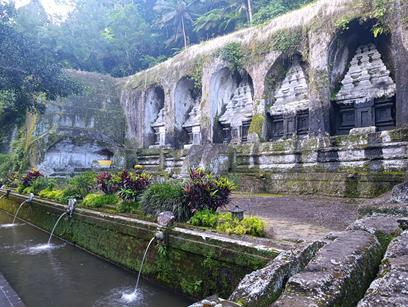
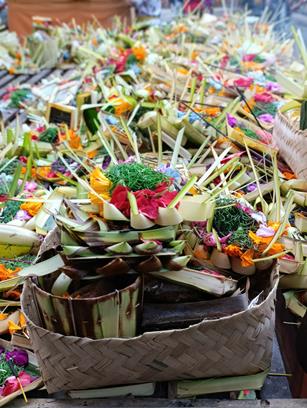
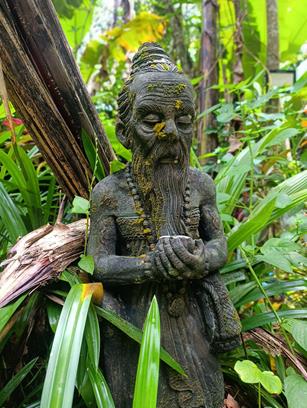
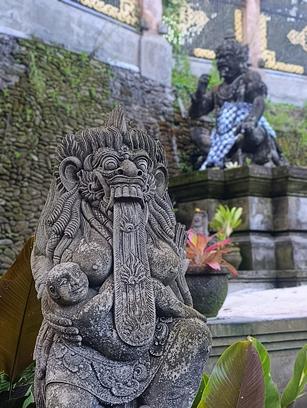
We drive to the town of Ubud, considered the artistic heart of Bali, on whose western side lies a rarely visited confluence of the Wos Tengen and Wos Kiwi rivers. The Balinese believe that wherever two waterways merge into one, positive and spiritual energy accumulates. In this secluded spot, Hindu monks founded a healing center in the 9th century, naming it Ubud, a reference to herbal medicine.
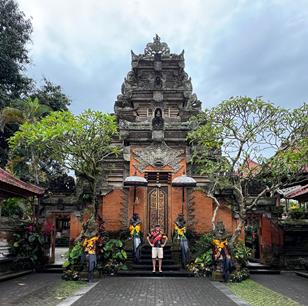
A short distance away, in the very center of Ubud, stands an exemplary royal family residence dating from the 17th century. This palace remembers the glory days of the pre-colonial era and still serves representative functions. Thanks to the princes of this royal court, a cultural revolution took place in Bali nearly 100 years ago, opening new horizons for the island and making the world perceive Bali as a true Eden.
From Ubud, we head to the countryside, where you can admire authentic Balinese landscapes as in the old days — traditional household structures and village buildings, local temples, and the ever-present rice fields cultivated by the inhabitants.
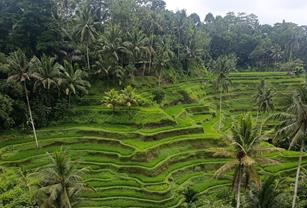
The next stop, the village of Tegallalang, is famous for its steeply descending, “sculpted,” beautifully green rice terraces shimmering with extraordinary shades of green, based on an ancient irrigation system and the Balinese agricultural community called subak. Those who dare can seek an adrenaline rush on swing rides or zip high above the rice terraces on a zipline, surrounded by incredibly lush greenery.
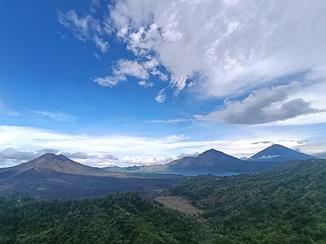
From there, we take scenic roads northward to the mountainous volcanic region of Kintamani, situated at 1,400 meters above sea level, surrounding a mighty valley with the active Mt Batur volcano at its center. A lunch break takes place at a restaurant with a viewing terrace on the edge of the caldera formed 30,000 years ago, offering an incredible panorama of the Batur massif. Black lava fields stretching across the volcano's slopes testify to its ongoing activity.
Next, we visit a tropical garden for a botany lesson about spices and fruits — including cloves, cinnamon, cocoa, coffee, pineapples, breadfruit, mangosteen, salak, and vanilla. We are invited to taste various varieties of tea and coffee, including the special luwak coffee, recovered and produced from the droppings of an animal called the Asian palm civet.
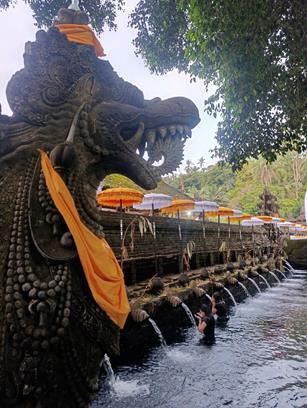
In the late afternoon, we arrive at the village of Tampaksiring, home to Pura Tirta Empul, a UNESCO-listed temple founded in the 10th century at the site of a sacred spring. Water is the most important element in Balinese Hinduism, which is known as “agama tirta” — the religion of water. Upholding the belief that the spring possesses healing and spiritually purifying properties, islanders travel from the farthest corners of Bali to take ritual baths and collect water for ceremonies and household rites.
To end the day before sunset, we visit the oldest archaeological monument in Bali, dating from the 11th century: Candi Tebing Gunung Kawi, a UNESCO-patronized site. A path of nearly 300 steps leads to the royal tomb complex nestled in the gorge of the sacred Pakerisan River, surrounded by magnificent rice fields. Facing cliffs conceal candi statues carved from solid rock, dedicated to one of the ancient rulers of Bali along with his 4 wives and 4 concubines.
Tour ends after dusk at around 6:30 PM